Best Camping Meals With 5 Ingredients or Less for Beginners: Simple & Delicious Recipes
Camping doesn’t have to mean bland food or hours spent prepping over a smoky fire. The best camping meals for beginners use five ingredients or less, need minimal cooking equipment, and come together quickly so you can actually enjoy the outdoors.
Whether you’re flipping breakfast on a camp stove, tossing dinner in foil, or roasting dessert over the flames, simple recipes make camp cooking easy. It’s honestly a relief not to fuss over complicated meals out there.
You’ll find that camping meals with minimal ingredients don’t have to be boring. The trick is picking recipes that bring big flavor without a ton of prep or cleanup.
Plenty of classic campfire favorites already fit the bill—think breakfast sandwiches and one-pot dinners that just hit the spot after a long day outside.
This guide covers what you need to know about planning and making easy camping meals. You’ll pick up the basics for outdoor cooking, get breakfast ideas that’ll actually fuel you, find lunch options with almost no effort, and see dinner recipes that are perfect for winding down by the fire.
Key Principles of Camping Meals for Beginners
Good camp cooking is all about keeping things simple, having the right gear, and paying attention to food safety. These basics turn a handful of ingredients into real meals and keep your trip low-stress.
Understanding 5-Ingredient Cooking
Five-ingredient cooking just makes life at camp easier. Lighter packs, less hassle—what’s not to love?
This approach means you focus on ingredients that work for more than one meal. Eggs? Great for breakfast or to bind other stuff together. Cheese adds protein and flavor to almost anything. Tortillas are the unsung hero: wraps, quesadillas, even quick pizzas.
If you’re out for a while, go for stuff that doesn’t need a fridge. Canned proteins, pasta, rice, and shelf-stable veggies are your friends. Pre-portioning things at home saves time and avoids waste later.
The five-ingredient method works because it takes away the stress of juggling long shopping lists or tricky recipes. Just cook, eat, and get back to nature.
Essential Cooking Tools & Gear
Your cooking setup really shapes what you can pull off at camp. For most beginners, a single pot or skillet covers the basics.
Must-have items include:
- Portable stove or grill grate for campfire cooking
- One medium-sized pot with lid
- Heat-resistant spatula or spoon
- Cutting board and sharp knife
- Plates, bowls, and utensils for each camper
A camp stove is easier for heat control than a fire. If you’re set on campfire cooking, bring foil for packets and a sturdy grill grate for the coals.
For perishables, a small cooler is handy. Freeze water bottles ahead of time—they’ll keep things cold and double as drinking water later.
Tips for Outdoor Food Storage and Safety
Food safety matters, and not just for your stomach—wildlife loves an easy snack. Keep all food, trash, and scented stuff sealed up or in bear-proof storage if needed.
Stash raw meats away from everything else in your cooler. Use them early in the trip, or freeze them solid before you go. Try to keep cooler temps below 40°F and don’t open it more than you have to.
Quick storage tips:
- Hang food bags at least 12 feet up and 6 feet out from tree trunks
- Clean up cooking areas right after meals
- Never store food in your tent
- Use airtight containers for dry goods
Wash hands with biodegradable soap before prepping food. Always cook meats thoroughly, even over a fire. If something seems off, just toss it—you don’t want to risk getting sick way out there.
Planning Easy Camping Meals
Having a meal plan keeps your trip from turning into a scavenger hunt for missing ingredients. Packing smart and prepping ahead turns camp cooking into something you can actually enjoy, not dread.
Making a Camping Menu
Start by writing down every meal you’ll need: breakfast, lunch, dinner, snacks—the whole deal. Count up how many meals you’re making and build your camping meal ideas around ingredients that overlap.
Choose recipes that share ingredients so you’re not lugging a ton of stuff. If you’re making quesadillas for lunch, use those same tortillas and cheese for breakfast burritos. Eggs, canned chicken, jerky—they work for lots of meals.
List every ingredient with the amounts you’ll need. That way you don’t forget anything or bring way too much. Make sure you know everyone’s dietary needs so nobody’s left out at mealtime.
How to Pack Ingredients Efficiently
Pre-measure dry ingredients at home and toss them in labeled bags or containers. Spices, flour, sugar—keep each recipe’s stuff together so you don’t bring a pile of boxes.
Take veggies out of their packaging and use reusable containers. Pre-chop onions, peppers, and garlic to save time and keep your camp area cleaner. Raw meat goes in sealed containers at the bottom of your cooler, always.
Here’s a good cooler-packing order:
- Ice or ice packs on the bottom
- Raw meats (sealed tight) above the ice
- Dairy and eggs in the middle
- Produce and ready-to-eat stuff on top
Frozen water bottles can be used for extra cold and become drinking water as they melt. Simple and smart.
Meal Prep Strategies for the Campsite
Marinate meats and make sauces the night before your trip. Store marinated stuff in freezer bags—they’ll help keep your cooler cold and thaw out as needed.
Set up a prep area at camp with a cutting board and utensils close by. Keep each meal’s ingredients together in containers so you can just grab and go.
When possible, cook in batches. Scramble extra eggs in the morning for lunch wraps, or grill extra veggies for pizza toppings later. It saves time and helps conserve fuel—plus, who wants to cook all day?
Quick Breakfast Ideas With 5 Ingredients or Less
Camping mornings need food that’s quick, filling, and not a pain to make. Pancake mixes that just need water, speedy sandwiches, and one-pan meals you can whip up while packing up camp—these are the breakfasts that get you moving.
Pancake Mix Classics
Store-bought pancake mix is a lifesaver—just add water and cook. Mix it up at home in a container or shake it up at camp in a water bottle for easy pouring.
Basic camping breakfast recipes need pancake mix, water, butter, and maybe syrup or berries if you’re feeling fancy. Make the batter thick for pancakes, thin for crepe-style wraps.
Want to mix it up? Add chocolate chips, blueberries, or cinnamon right into the batter. You can pack single servings in ziplock bags so you don’t lug around a big box.
Breakfast Sandwich Solutions
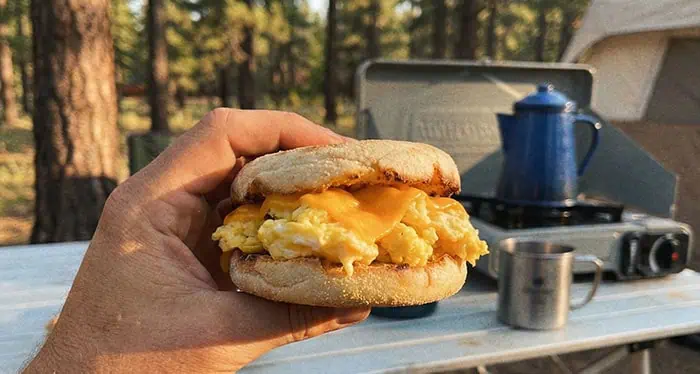
A quick campfire breakfast sandwich is ready in under 10 minutes. Bread, eggs, butter, cheddar—cook the eggs in a buttered pan, melt cheese on top, and sandwich it all together.
Pre-crack eggs into a sealed container at home or bring pre-cooked bacon wrapped in foil. English muffins hold up better than regular bread and don’t get squished as easily.
For a grab-and-go option, wrap up scrambled eggs and cheese in a tortilla with salsa. You only need your pan, and it’s perfect for eating while you pack up or hit the trail.
One-Pan Scrambles & Power Oats
Scrambled eggs in a cast iron skillet need just eggs, butter, salt, and pepper. If you’ve got pre-cooked sausage or veggies, toss them in, but even the basic version is filling and easy to clean up.
Overnight oats are zero-cook: rolled oats, milk or water, sweetener. Mix in a jar, let them sit in your cooler overnight, and eat cold with fruit or nuts in the morning.
For hot oats, instant oatmeal packets only need boiling water and are ready in three minutes. Bring your favorite flavors or plain oats with brown sugar and dried fruit to mix things up.
Effortless Lunches for Campers
Lunchtime at camp should be quick and satisfying, not a chore. Pack stuff that stays fresh without a fridge and can be thrown together fast between adventures.
No-Cook Sandwiches and Wraps
Tortilla wraps are tough and versatile. Layer deli meats, cheese, and mustard for a classic, or go with tuna packets and mayo for an easy protein hit. Pita bread is another good pick—it holds up in a backpack.
Stick with cured meats like salami or pepperoni that don’t need a cooler. Add shelf-stable veggies like bell peppers or bagged lettuce. Bagels and cream cheese are another no-cook favorite that travels well.
For something different, try the pepperoni pizza grilled cheese—bread, butter, marinara, mozzarella, pepperoni. It comes together fast and cleans up easy.
Simple Soups and Salads
Instant soup packets are a hot lunch in minutes with just boiling water. Beef jerky ramen? Mix mushrooms, dried veggies, jerky, bouillon, and noodles. The backpacker’s pho uses rice noodles, spice packets, bouillon cubes, soy protein, and dried onions.
Pre-made pasta salads are great if you prep them at home and keep them in the cooler. Toss cooked pasta with olive oil, cherry tomatoes, mozzarella balls, and Italian dressing for a cold, refreshing lunch.
Canned soups heat up fast on a camp stove and don’t need anything extra. Pair with crackers or tortilla chips for a little crunch.
Veggie Wraps and PB&J Variations
Veggie wraps are a plant-based go-to. Hummus acts as both an adhesive and a protein, while shredded carrots, cucumber slices, and spinach add crunch and freshness.
Bell peppers? They bring a pop of color and a shot of vitamin C.
Peanut butter and jelly is a camping staple because you don’t need a fridge and there’s zero prep. Whole wheat tortillas work better than bread—less squishing, easier to pack.
Want to mix it up? Toss in banana slices or a drizzle of honey.
Almond butter with dried cranberries makes a fun swap, or use sunflower seed butter if you’re avoiding nuts. Cream cheese and jam on a bagel is another sweet combo that’s sturdy and tastes good at any temperature.
Simple Dinner Recipes for the Campfire
Campfire dinners are really about keeping it simple and still eating well. Using foil packets, cast iron cookware, or just cooking right in the fire can turn basic stuff into something memorable.
Classic Campfire Potatoes
Potatoes are perfect for camping—hard to mess up, easy to store, and they cook up nicely over open flames. Dice up 2-4 potatoes, toss with chopped onions and peppers, and pile it all onto a big sheet of foil.
Add a couple tablespoons of butter, sprinkle on salt and pepper, and wrap it all up tight.
Set the packet right on hot coals or a fire grate. Let it cook for about 20-25 minutes, flipping it around now and then so everything heats evenly.
Onions and peppers caramelize, potatoes get tender. Throw in some cheese at the end if you’re feeling it.
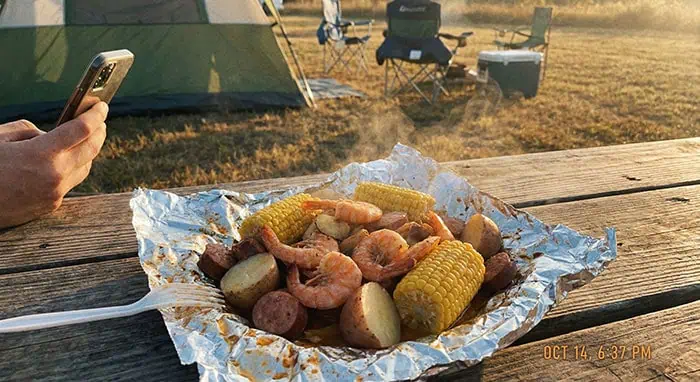
Shrimp Boil Foil Packets
Foil packets are a lifesaver for cleanup and keep everything juicy. For a shrimp boil, grab peeled shrimp, corn on the cob (cut up), halved baby potatoes, and slices of smoked sausage.
Sprinkle on Old Bay or your favorite seafood seasoning.
Split the ingredients onto big foil sheets, add a pat of butter to each, and seal them up well. You don’t want anything leaking out.
Cook them on the grill grate or right in the coals for about 15-20 minutes. Shrimp should be pink, potatoes fork-tender—open carefully, steam can burn.
Dutch Oven & Skillet Favorites
Cast iron turns basic stuff into hearty camping dinner ideas that’ll feed a crowd. Dutch oven pizza is five ingredients: pizza crust, tomato sauce, cheddar, mozzarella, pepperoni.
Lay the crust in a preheated Dutch oven, spread the sauce, and pile on cheese and pepperoni. Lid goes on, 5-6 coals on top, and let it cook about 10 minutes—cheese melts, crust gets golden.
For camp quesadillas, just tortillas and cheese in a skillet. Heat, fold, flip, and you’re good when it’s crispy and melty.
Kid-Friendly and Crowd-Pleaser Camping Meals
Pizza and nachos—honestly, you can’t go wrong. They’re easy, need hardly any gear, and picky eaters are usually on board.
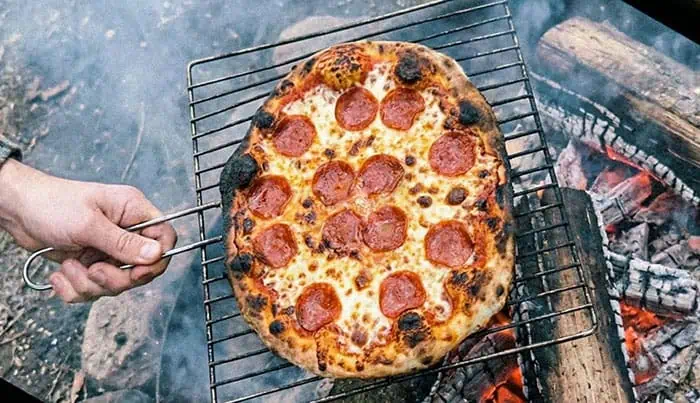
Pepperoni Pizza Outdoors
You can whip up camping meals for kids with just five pizza basics. Use pre-made dough or flatbread, then add jarred pizza sauce, shredded mozzarella, pepperoni, and a bit of olive oil.
Cook it on a grill grate over medium heat for 8-10 minutes. Start with the dough, let it firm up, flip, then add toppings. Keep the lid closed so the cheese gets nice and gooey.
Basic Pizza Ingredient List:
- Flatbread or pre-made dough
- Pizza sauce (1 jar)
- Mozzarella cheese (8 oz bag)
- Pepperoni
- Olive oil
These ingredients are portable and great for folks who’d rather not fuss with complicated prep at camp.
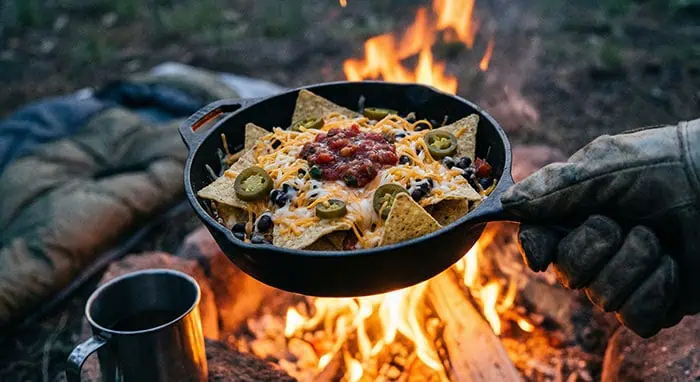
Campfire Nachos and Cheesy Delights
Campfire nachos are ridiculously simple: tortilla chips, shredded cheese, canned beans, salsa, and sour cream. Layer chips in a cast iron or foil pan, add cheese and beans, and set it near the coals for 5-7 minutes—done when the cheese is melted.
You can make more batches fast since they cook so quickly. Kids love picking their own toppings.
Or do quesadillas with the same stuff, just swap chips for tortillas. Fold cheese and beans inside, cook in a pan for a couple minutes per side. They travel well, and you can reheat them over any fire or stove.
Pie Iron Pizzas and More
Pie irons are pretty fun for handheld kid-friendly camping recipes cooked right over the fire. For pizza pockets, use bread slices, pizza sauce, mozzarella, and pepperoni.
Butter the outside, sandwich the fillings, clamp in the pie iron, and hold over coals 3-4 minutes per side.
The edges seal up, so there’s less mess—great for kids. Each one cooks up in under 10 minutes.
Dessert? Same idea. Bread, butter, and canned pie filling (cherry or apple is easiest). No prep, just clamp and cook.
Snacks and Easy Camping Desserts
Snacks fill the gaps between meals, and desserts are a sweet finish at camp. The less prep, the better—especially if stuff travels well.
Quick Sweet Treats
S’mores are the classic camping dessert. All you need: graham crackers, chocolate bars, marshmallows. Toast marshmallows over your campfire, sandwich with chocolate, eat while it’s oozy.
Looking for healthier? Dark chocolate-covered fruit is tasty and packs some antioxidants. Bring dried strawberries, bananas, or cherries dipped in dark chocolate. No fridge needed.
Campfire cinnamon rolls are a treat—wrap canned dough around a stick, hold over flames, rotate until golden. Or prep no-bake energy bites at home: oats, honey, peanut butter, chocolate chips, mixed and rolled into balls.
Salty Bites and Finger Foods
String cheese is a lifesaver—protein, calcium, and no mess. Keeps well in a cooler for days, no effort required.
Tuna or chicken packets are lightweight, don’t need chilling, and you can eat them straight or with crackers. Super easy for quick protein on the go.
GORP (Good Ol’ Raisins and Peanuts) is the original trail mix. Toss together peanuts, raisins, M&Ms, sunflower seeds, and dried cranberries. Bag it up before you leave, and snack whenever you want.
No-Cook Snack Inspiration
Protein bars are a total lifesaver if you want to skip cooking but still need something filling. Brands like Clif Bars, Larabars, and Quest Bars all have their own spin, whether you’re watching carbs or just want something a bit more natural.
Trail mix is one of those snacks that never really gets old. You can toss together nuts, seeds, dried fruit, coconut flakes, and, honestly, a handful of chocolate chips if you’re feeling it.
It’s easy to make a big batch at home and just split it up for the week. That way, you’ve got grab-and-go snacks ready whenever hunger hits.
Fresh veggies like carrots, celery, and bell peppers go surprisingly well with those little hummus cups or peanut butter packets. These camping food ideas keep their crunch for days if you stash them in a cooler.